Boiler Replacement in Connecticut
An older boiler can reach a point where another repair is no longer the most practical direction. Maybe breakdowns are becoming more frequent, heating performance has become unreliable, or you are already planning to replace the existing equipment. Whatever brings you to that decision, boiler replacement should begin with a clear understanding of your current heating system.
Repair vs. Boiler Replacement
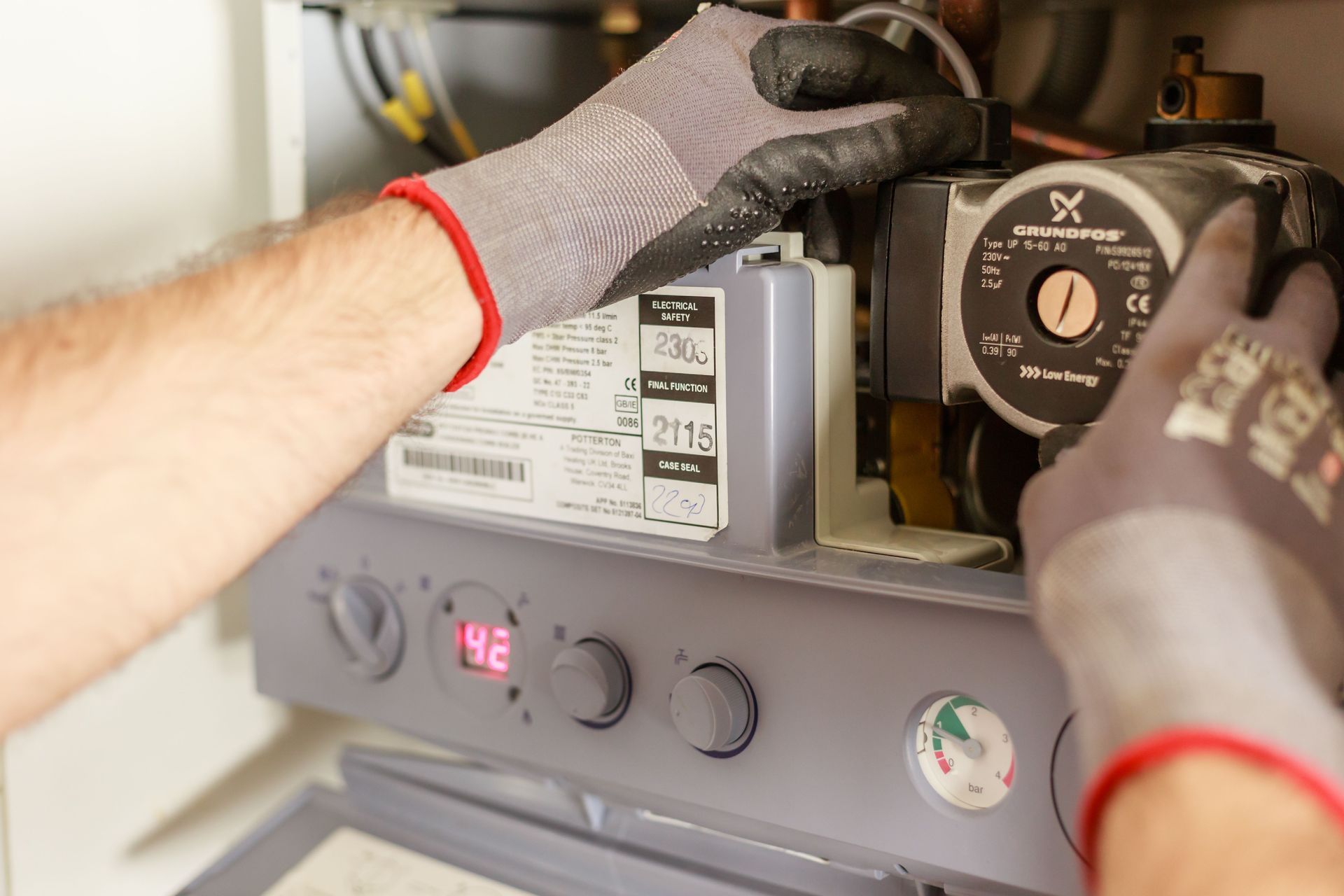
Choosing between another repair and replacement depends on more than whether the boiler can currently produce heat.
A repair may remain appropriate when the problem is isolated and the equipment is otherwise suitable for continued operation. Replacement may deserve consideration when breakdowns repeatedly return, significant problems are present, or continued repair no longer makes sense for the property owner.
Our goal is to identify the actual condition first so you can understand which direction applies to your situation.
What We Do
When Should You Consider Replacing a Boiler?
One boiler repair does not necessarily mean you need new equipment. Replacement becomes a more relevant consideration when the condition and performance of the existing boiler make continued repairs less practical.
Recurring Problems
Unreliable Heating
Significant Damage
Identified for Replacement
Impractical Repairs
Property Changes
Restore Water & Check Connections
After the fixture is connected, water service is restored. Accessible connections are checked for signs of leaking, and the fixture is operated to confirm water flow and drainage where applicable.
Confirm Normal Operation
Before completing the service, the installed fixture is checked to confirm it is secure and operating as expected.
How We Work
What to Expect When Replacing Your Boiler
Replacing a boiler affects an existing heating system, so our process begins with what is already installed rather than simply removing equipment and putting another unit in its place.
We Review Your Current Boiler Problems
Tell us what has been happening with your heating. We want to understand whether you are dealing with repeated breakdowns, poor heating performance, an existing replacement recommendation, or a planned system change.
We Evaluate the Existing Heating Setup
We review the boiler and applicable connected heating components. This helps us understand how the existing equipment serves the property and what needs to be considered during replacement.
We Discuss the Replacement Scope
Once the system has been evaluated, we explain what the boiler replacement will involve. If the project requires applicable changes to connected heating components, those needs can be identified as part of the scope.
We Remove the Existing Boiler
The boiler being replaced is disconnected and removed as appropriate so the installation area can be prepared for the new equipment.
We Install the Replacement Boiler
The new boiler is positioned and connected to the applicable heating system. Necessary connections within the project scope are completed so the new equipment can serve the existing or modified system.
We Check Your Heating System
After installation, we checked the boiler and affected heating operation as appropriate. We also review the completed work with you so you know what was changed and can ask questions before the project is finished.
Replacing a Boiler in a Hydronic Heating System
A boiler may be only one part of a larger hydronic heating system. Piping, radiators, and other applicable components distribute the heat generated by the boiler throughout the property.
When replacing boiler equipment, those connections and the broader heating setup need to be considered. For related work, explore our Hydronic Heating Systems and Radiator Services.
Have Questions?
Boiler Replacement FAQs
The answer depends on the problem, condition of the equipment, and whether repairs are becoming recurring or impractical. An evaluation can help establish which option applies to your system.
The existing boiler is disconnected and removed as appropriate. The installation area is then prepared before the replacement equipment is positioned and connected to the heating system.
We provide 24/7 Emergency Heating Repair for urgent heating failures. If evaluation shows that replacement rather than repair is required, the appropriate next step can then be determined.
Ready to Replace Your Boiler?
You should not have to make a boiler replacement decision without understanding the condition of your existing system. R T Capobianco Plumbing & Heating can evaluate your heating setup, explain the project, and complete the replacement work your property requires. Call (860) 522-9898 to discuss boiler replacement in our Connecticut service area.