Hydronic Heating Systems in Connecticut
Hydronic heating is more than a boiler. The system relies on heated water moving through connected piping and applicable heat-distribution components to provide warmth throughout the property. When one part of that system is not working properly, the symptoms may appear somewhere else.
Boiler & Radiator Service Within Hydronic Systems
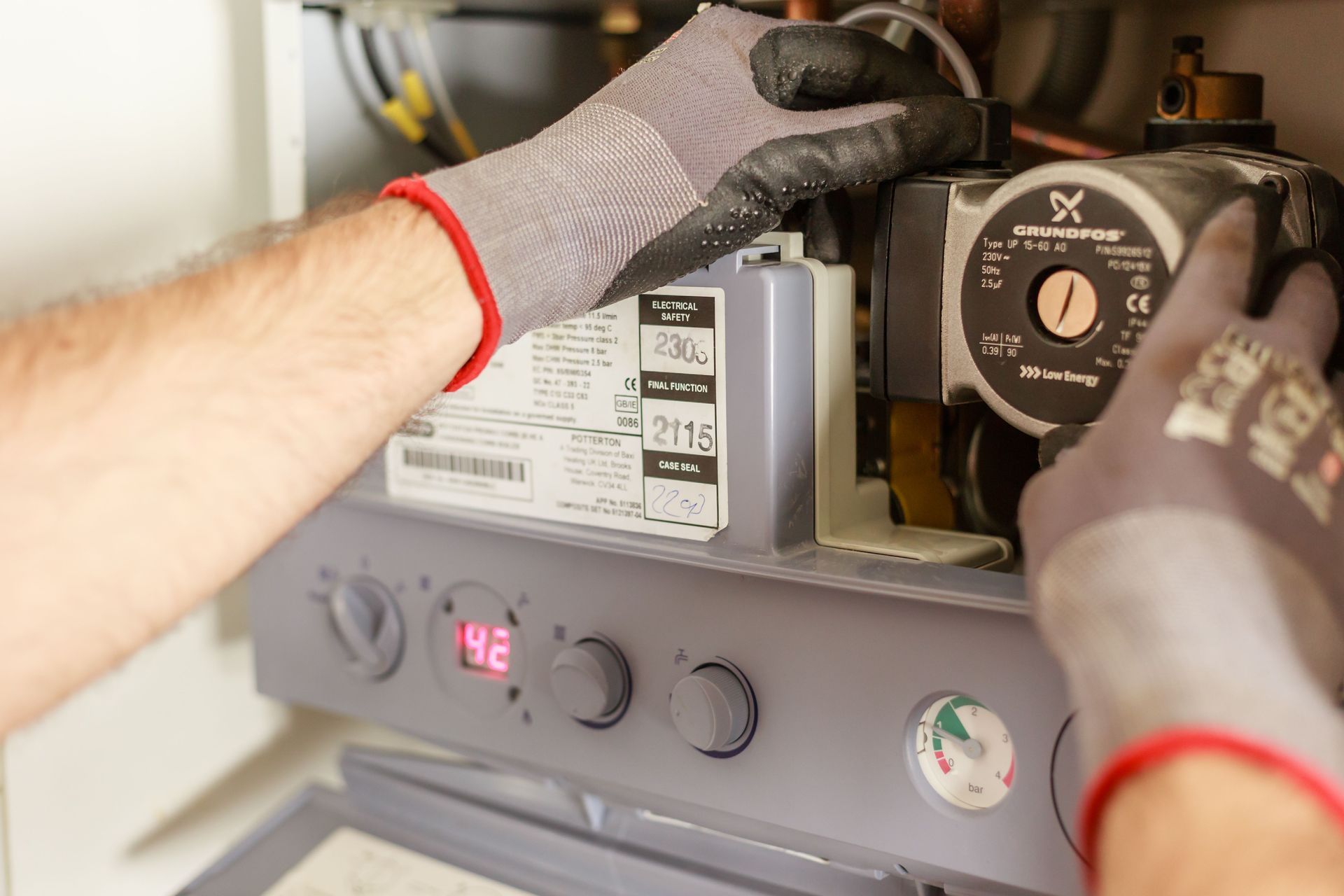
The boiler is a central part of many hydronic heating systems, but boiler operation and heat distribution need to work together.
If the problem has been narrowed specifically to the heating equipment, visit our Boiler Repair page. When new equipment is required, we also provide Boiler Installation and Boiler Replacement.
For problems centered on individual heat-distribution units, explore our Radiator Services.
What We Do
Hydronic Heating Problems We Address
Because hydronic heating includes multiple connected components, problems can affect individual areas or the entire property.
Rooms or areas that are not heating properly
Radiators that remain cold or provide inconsistent heat
A boiler operating without producing the expected comfort
Visible water around heating piping or components
Heating performance that has changed noticeably
Problems that repeatedly return after previous service
How We Work
What to Expect From Hydronic Heating Service
Our approach starts with how the system is performing from your perspective and then works through the connected heating components.
Tell Us Where You Notice the Problem
Let us know whether one room is affected, several radiators are cold, the boiler has stopped operating, or the entire property is having trouble maintaining heat. Understanding where the symptoms appear helps us define the area that needs attention.
We Evaluate the Connected System
We review the applicable boiler, accessible heating piping, radiators, and other relevant components based on the symptoms. This system-wide approach is important because a problem that appears at a radiator, for example, may not originate at the radiator itself.
We Identify Where the Problem Begins
After evaluating the system, we narrow down the area responsible for the heating issue. The required service may involve the boiler, piping, radiator, controls, or another applicable part of the hydronic system. Identifying that source helps avoid unnecessary work on components that are operating normally.
We Explain the Recommended Work
Once we know what is affecting the system, we explain the problem and what should be addressed. If the issue can be corrected through a focused repair, we discuss that work. If the system requires a larger mechanical project, equipment replacement, or additional heating work, we explain the broader scope before moving forward.
We Complete the Work & Check the Heat
After the applicable service is completed, we check the affected system operation as appropriate. Before finishing, we can review the work with you and discuss any additional concerns identified during the service.
Hydronic Heating for Homes & Commercial Properties
Hydronic systems can serve both residential and commercial buildings, and the scope can vary considerably depending on the property.
We provide applicable hydronic heating and mechanical services throughout Cromwell, Middletown, Portland, Rocky Hill, Middlesex County, and Hartford County, Connecticut.
Have Questions?
Hydronic Heating FAQs
The boiler may be operating while another part of the hydronic system is preventing heat from reaching certain areas normally. The connected system needs to be evaluated to identify where the problem originates.
No. Hydronic heating can involve the boiler, piping, radiators, controls, and other applicable components. The symptoms should be evaluated before deciding which component needs service.
If you have completely lost heat during cold weather, call (860) 522-9898. Our 24/7 Emergency Heating Repair is available for urgent no-heat situations.
Get Your Hydronic Heating System Working Together
When different parts of a water-based heating system depend on each other, finding the actual source of the problem matters. Call R T Capobianco Plumbing & Heating at (860) 522-9898 for hydronic heating system service.